


Cart
0

Table of Contents
- Why Grease Stains Stick to Workwear
- How to Pretreat Grease Stains on Clothing
- Best Detergent for Greasy Work Clothes
- How to Remove Set-In Grease Stains From Clothes
- Step-by-Step Washing Process for Mechanic Shirts
- How to Wash Mechanic Uniforms Separately
- Common Mistakes to Avoid
- Protecting Your Workwear for the Long Haul
- Frequently Asked Questions
Last Updated: October 12, 2026
Why Grease Stains Stick to Workwear
Grease and motor oil cling to fabric fibers because they're hydrophobic. Water alone won't lift them.
Mechanics, automotive enthusiasts, and anyone working in a shed face this problem constantly, which is why learning how to clean grease from mechanic shirts is essential.
At Oily Rag Apparel, we understand that durability matters, but so does keeping your gear looking sharp.
The key insight: treating grease stains requires breaking down the oil before washing. You can't wash it away. You have to dissolve it first.
Pro Tip
Fresh grease stains respond to treatment within hours. The longer you wait, the more the oil sets into the fabric weave. Treat stains the same day you get them whenever possible.
How to Pretreat Grease Stains on Clothing
Pretreatment is where the real work happens. This step determines whether your shirt comes clean or stays permanently marked.
The basic approach:
- Blot excess grease with a clean cloth or paper towel
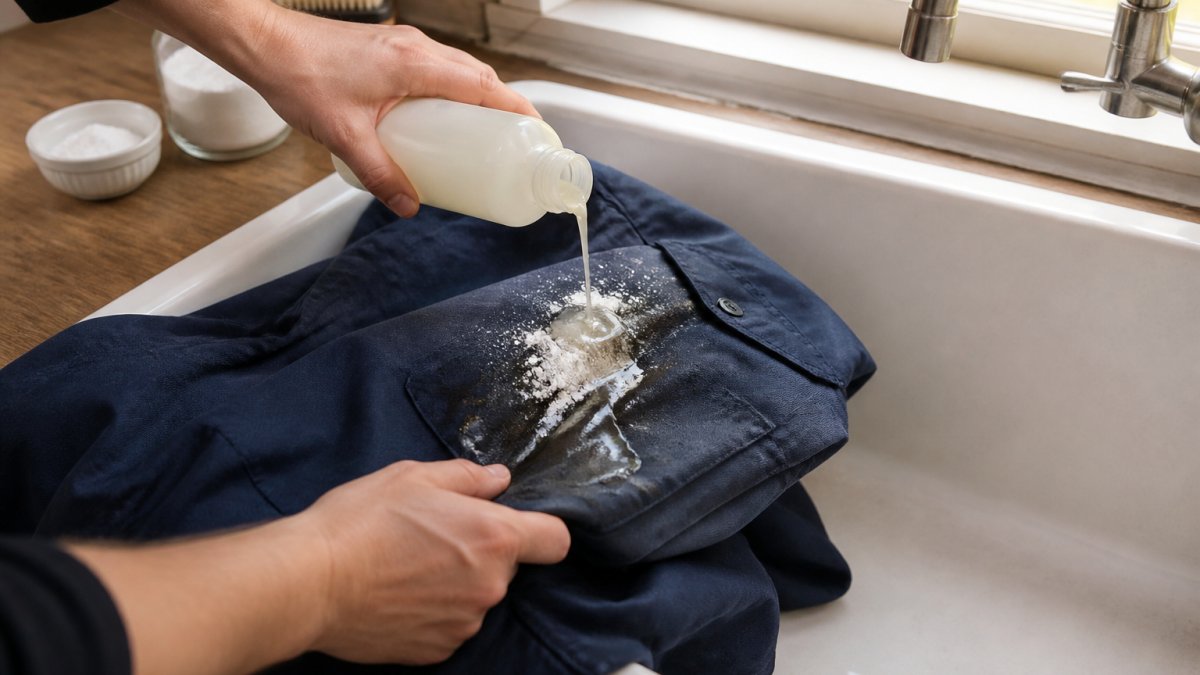
- Apply a grease-breaking agent to the stain
- Let it sit for 15-30 minutes
- Gently scrub the fabric to work the treatment in
- Rinse with hot water before washing
Effective pretreatment agents include:
- Dish soap or dishwashing liquid (designed to cut grease)
- Liquid laundry detergent (contains surfactants that break oil bonds)
- Baking soda or cornstarch (absorbs excess grease)
- Commercial degreasers (heavy-duty option for stubborn stains)
The most accessible option is dish soap. It's formulated specifically to break down grease in your kitchen sink. Apply it directly to the stain, work it in with a soft brush or cloth, and let it sit. This simple step often makes the difference between a stain that washes out and one that sets permanently.
Fresh Grease Stains vs. Set-In Stains
Fresh stains (treated within 24 hours) respond quickly to pretreatment. The grease hasn't fully bonded to the fibers yet. A few minutes of soaking in dish soap solution and a gentle scrub usually lifts the stain completely.
Set-in stains (days or weeks old) require more aggressive treatment. The oil has penetrated deep into the fabric weave. These stains need multiple treatment cycles, longer soaking times, and sometimes repeated washing.
The difference is timing. Treat grease stains immediately and you'll spend five minutes on cleanup. Wait a week and you'll spend an hour trying to save the shirt.
Watch Out
Never put a greasy work shirt in the dryer before the stain is completely gone. Heat sets stains permanently. Once a stain has been heat-dried, it's nearly impossible to remove. Always air-dry until you're certain the stain is out.
Best Detergent for Greasy Work Clothes
Not all laundry detergents are equal when it comes to grease removal. Standard detergents work fine for everyday dirt and sweat. Greasy work clothes need something stronger.
Heavy-duty laundry detergents contain higher concentrations of surfactants and enzymes designed to break down oils and grease. These are your best choice for mechanic shirts and heavily soiled workwear.
Look for detergents labeled for:
- Heavy-duty cleaning
- Grease and oil removal
- Industrial or commercial use
- Work clothes or mechanics' garments
Liquid detergents work better than powders for grease because they dissolve faster and penetrate the fabric more effectively.
The detergent you choose matters less than using enough of it. Heavy grease loads require more detergent than a normal wash. Don't skimp on the amount.
How to Remove Set-In Grease Stains From Clothes
Set-in stains demand a different approach. They've bonded to the fabric, so surface-level treatment won't work. You need to soak, treat, and repeat.
The extended treatment method:
-
Soak the stained area in hot water mixed with dish soap or heavy-duty detergent for 30-60 minutes. Hot water helps the treatment penetrate deeper into the fibers.
-
Apply concentrated pretreatment directly to the stain. Use dish soap, liquid detergent, or a commercial degreaser. Work it in gently with a soft brush.
-
Let it sit for another 15-30 minutes. Don't rush this step. The longer the treatment sits, the more time it has to break down the oil.
-
Scrub gently with a soft brush or cloth. Avoid aggressive scrubbing, which can damage the fabric or spread the stain. Light, circular motions are more effective.
-
Rinse thoroughly with hot water. Make sure all the treatment agent is rinsed out.
-
Inspect the stain before washing. If it's still visible, repeat steps 2-5 again. Set-in stains often need multiple treatment cycles.
-
Wash in hot water with heavy-duty detergent using a heavy-duty wash cycle. This is your final step after pretreatment.
When Stains Won't Fully Disappear
Some stains simply won't come out completely. This happens when grease has been in the fabric for months or when the stain is particularly deep or large. Acceptance matters here.
A faded grease stain that's 80% lighter is still a win. Your shirt goes back into rotation instead of becoming a rag. Not every stain needs to vanish entirely to restore the shirt to usable condition.
Key Takeaway
The goal of stain removal is restoration, not perfection. A heavily faded stain beats a permanent one. Sometimes that's the best outcome you'll get, and that's okay.
Step-by-Step Washing Process for Mechanic Shirts
This is the complete workflow from stain to clean shirt. Follow these steps in order for the best results.
Step 1: Blot the fresh stain (immediately)
- Use a clean cloth or paper towel to blot excess grease
- Don't rub; blotting lifts the grease without pushing it deeper
- Time: 1-2 minutes
Step 2: Apply pretreatment (within 1 hour)
- Apply dish soap, liquid detergent, or baking soda directly to the stain
- Work it in gently with a soft cloth or brush
- Time: 5 minutes application + 15-30 minutes sitting
Step 3: Scrub lightly (after soaking)
- Use a soft brush or cloth to work the treatment into the fabric
- Circular motions are more effective than back-and-forth scrubbing
- Time: 2-3 minutes
Step 4: Rinse with hot water (before washing)
- Rinse thoroughly until all treatment residue is gone
- Hot water helps dissolve remaining grease
- Time: 2-3 minutes
Step 5: Wash in hot water (heavy-duty cycle)
- Use heavy-duty laundry detergent
- Wash with other heavily soiled workwear, not regular clothes
- Run a full heavy-duty cycle
- Time: 30-45 minutes (depending on machine)
Step 6: Air-dry and inspect (before drying in dryer)
- Air-dry the shirt completely
- Inspect the stain in natural light
- If the stain is gone, you can use the dryer
- If faint marks remain, repeat pretreatment before drying
- Time: 2-4 hours air-drying
Water Temperature and Cycle Selection
Hot water is essential for grease removal. Cold or warm water won't dissolve oils effectively. Hot water activates the detergent and helps break down grease at a molecular level.
Cycle selection matters too:
- Use a heavy-duty or industrial cycle for greasy workwear
- These cycles run longer and use more agitation
- Standard or delicate cycles won't provide enough cleaning power
- Heavy-duty cycles use more water and detergent, which is exactly what you need
Some washing machines have a "grease" or "stain" setting. If yours does, use it. These settings combine hot water, extended wash time, and extra agitation specifically for stubborn stains.
Don't mix greasy work clothes with regular laundry in the same load. The grease can transfer to other garments. Wash your mechanic shirts separately in a dedicated load with other heavily soiled workwear.
How to Wash Mechanic Uniforms Separately
Washing workwear separately isn't just about preventing grease transfer. It's about giving your work clothes the aggressive treatment they need without damaging everyday garments.
Why separate washing matters:
- Grease can transfer to other clothes in the same load
- Heavy-duty detergent and hot water are harsh on regular fabrics
- Work clothes need longer wash cycles and more agitation
- Mixing loads forces you to compromise on temperature and cycle
Best practices for separate washing:
- Dedicate one load per week to heavily soiled workwear
- Use a full dose of heavy-duty detergent
- Run the hottest water your fabric can tolerate
- Select the heavy-duty or industrial wash cycle
- Wash only work clothes in that load
If you're washing uniforms for multiple people or running multiple loads, group them by soil level. Lightly soiled items can wash together. Heavily greased items need their own load.
Oily Rag Apparel gear is built to handle aggressive washing. Our durable fabrics withstand hot water, heavy-duty detergent, and extended wash cycles without degrading.
Common Mistakes to Avoid
These errors cost people stains that could have been saved.
Using cold water on grease stains Cold water won't dissolve oils.
Putting stained clothes in the dryer Heat sets grease stains permanently. Air-dry first.
Using standard detergent for heavy grease Regular laundry detergent isn't formulated for grease.
Mixing greasy clothes with regular laundry Grease transfers to other garments in the same load.
Treating stains after they've set for weeks The longer grease sits, the harder it is to remove.
Skipping pretreatment and going straight to washing Pretreatment is the critical step. Washing alone won't remove grease.
Watch Out
Never assume a stain is gone until it's completely dry and inspected in natural light. Wet fabric can hide faint stains that become obvious once dry. Always air-dry and inspect before using the dryer.
Protecting Your Workwear for the Long Haul
Keeping your mechanic shirts clean extends their lifespan and keeps you looking professional in the shed. But protection goes beyond stain removal.
Preventive practices:
- Wear an apron or shop coat over your shirt during heavy work
- Change out of work clothes immediately after finishing
- Store work clothes separately from everyday wear
- Inspect shirts for stains before washing
- Treat stains immediately, not days later
Fabric care between washes:
- Brush off dry dirt and soot before washing
- Check pockets and remove any debris
- Turn pockets inside out to shake out accumulated grime
- Don't let dirty clothes sit in a pile for weeks
Long-term durability:
- Heavy-duty workwear like Oily Rag Apparel gear is designed to survive aggressive washing
- The fabric actually improves with proper care; it gets softer and more comfortable over time
- Quality work clothes repay investment with years of reliable service
Your mechanic shirts are tools, just like your wrenches. Maintain them properly and they'll stay functional and looking sharp for years. Neglect them and they'll deteriorate quickly.
Frequently Asked Questions
How do you get mechanic grease out of a shirt?
Start by treating the stain immediately with an absorbent powder like baking soda or cornstarch to pull out excess grease. Sprinkle the powder over the stain, let it sit for 15-30 minutes, then brush it off. Apply dish soap or heavy-duty laundry detergent directly to the stain, rub gently, and let it soak for 30 minutes. Wash in hot water on a heavy-duty cycle. Inspect before drying; repeat if needed. Fresh grease stains respond best to quick action.
What's the best way to pretreat grease stains on work clothes?
Pretreat grease stains by blotting excess oil first, then applying an oxygen-based stain remover or heavy-duty liquid detergent directly to the fabric. For stubborn stains, sprinkle baking soda or cornstarch over the treated area to absorb remaining grease. Let the pretreatment sit for at least 30 minutes, or overnight for set-in stains. Scrub gently with a soft brush to work the treatment into the fibers before washing. This approach breaks down the oil and lifts it from the fabric.
Should you wash greasy work clothes in hot or cold water?
Hot water is more effective for grease removal because heat helps dissolve oil and activates detergent enzymes. Use the hottest water the fabric label allows, typically 130-140°F for mechanic uniforms and work clothes. Always check the garment label first; delicate fabrics may require warm or cold water. Pair hot water with a heavy-duty wash cycle and heavy-duty detergent formulated for oily stains to maximize grease removal.
How do you prevent grease from spreading to other clothes in the washer?
Wash heavily soiled mechanic uniforms and work clothes separately from regular laundry to prevent grease transfer. Use a dedicated laundry load for grease-stained items, or wash them with other similarly soiled workwear. Pre-treat and soak stained items before washing to remove excess oil before they enter the machine. Run a full wash cycle and inspect the washer drum afterward; wipe it down if grease residue remains to avoid staining future loads.
Grease stains don't have to mean the end of a work shirt. The right approach, immediate pretreatment with dish soap or detergent, hot water washing with heavy-duty cycles, and air-drying before inspecting, saves most stains. When you invest in quality workwear like Oily Rag Apparel's durable hoodies and tees, proper care keeps that investment performing. Shop Now and get gear built to handle the shed, then treat it right so it lasts.


